A legacy is the totality of goods and capital or debts that someone leaves behind on their death. When an artist dies, the legacy often consists of a large collection of works of art and documents. Like the oeuvre and archive of a living artist, the contents of the legacy have market potential, and management costs will be involved. That is what makes legacies in the visual arts, photography, music, performing arts, literature and architecture so special. Furthermore, an extensive artistic archive and studio with working materials may have been preserved, which makes the artist’s living and working environment tangible.
The legacy is a hybrid collection of both documents and works of art, and it contains more than merely what the artist themself made during their artistic career. It is associated with various components, such as the archive, the artist’s oeuvre, the (former) studio and/or home, and the intellectual legacy. Precisely because these components are interlinked, documentation of the various components is crucial, and care for preservation and management requires extra attention and commitment. Every legacy is specific in terms of its quality and quantity, which is why it demands an individual approach.
The first component of a legacy is the artist’s physical and digital archive. An archive is an organic collection that preserves important information. This information is found in various documents and is derived from the artist’s activities and/or forms part of their artistic practice. The documents may take the form of notes and reports, letters, postcards, bills and files, but photos, films and digital files, such as e-mails and a website, are also included. Art archives often consist of a wide-ranging collection of both documents and works of art.


The next component is closely related to the archive: the artist’s oeuvre. The oeuvre is the complete collection of all the works that the artist made in their lifetime. The use of diverse materials and techniques leads to additional challenges for the preservation, management and long-term storage of this specific aspect of the legacy. Furthermore, these works have both market potential and management costs, which should be taken into account when establishing an estate.
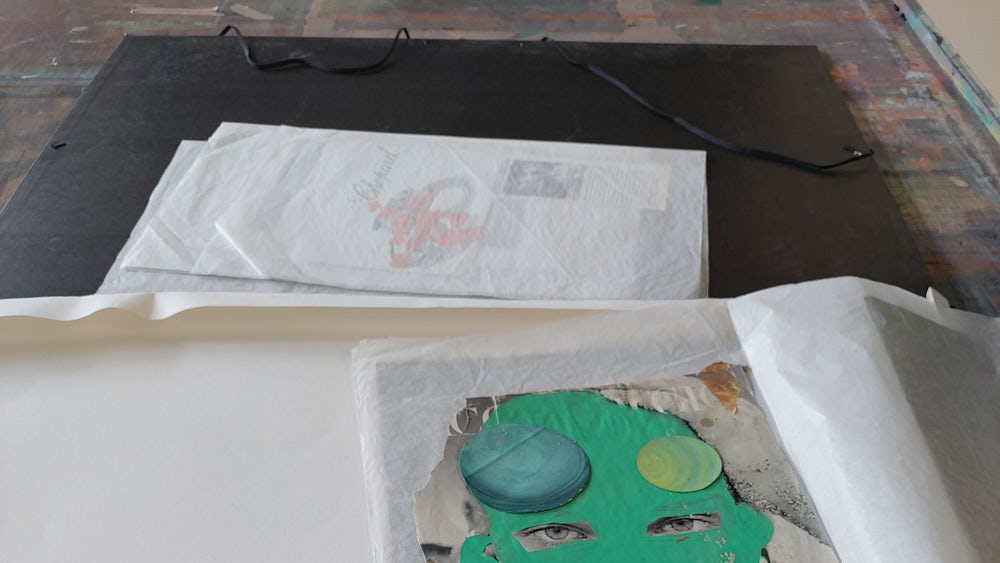
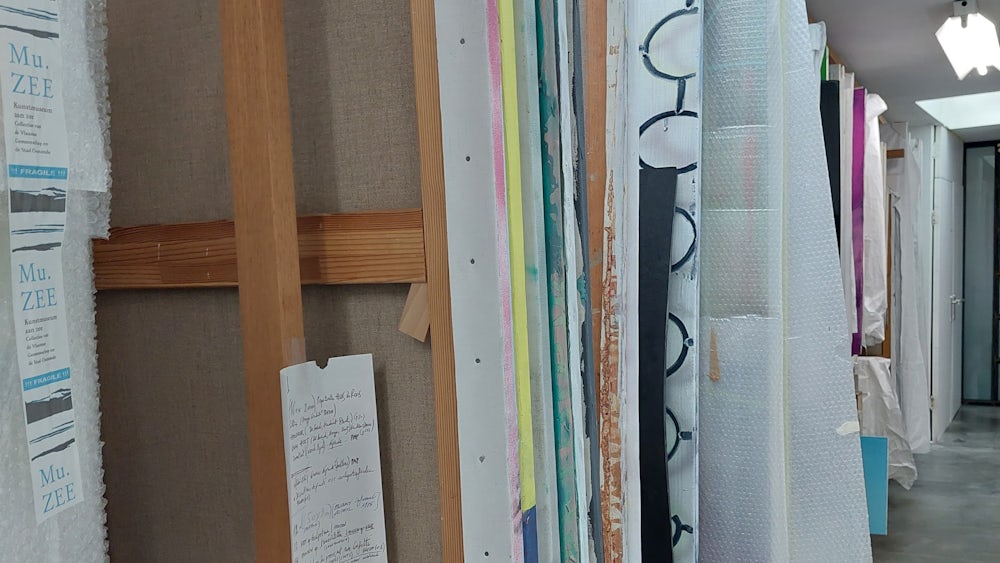
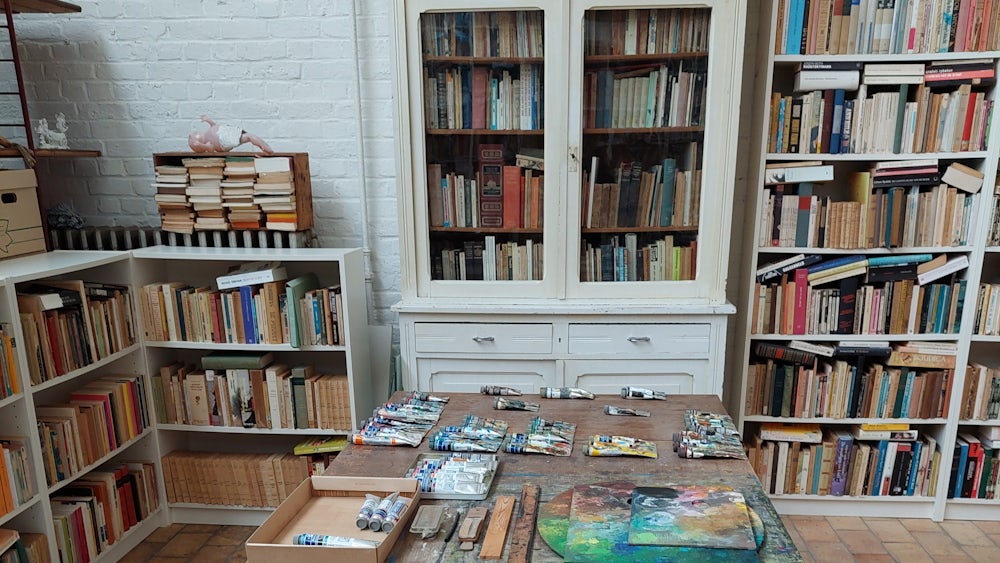
In addition to the archive and oeuvre, the studio with working materials and the artist’s home form part of a legacy. They offer a glimpse of the artist’s living and working environment. Materials that are part of the creative process, such as drawing and painting materials, worktables, sources of inspiration and preparatory material for works of art are often preserved. There may also be an extensive library or music collection that served as inspiration for the artistic practice. With this component, therefore, the contents of both the studio and the home will need to be considered.

Another essential component of an artistic legacy is the intellectual legacy, which is connected to oral history. Not all relevant information is preserved on paper for posterity. Some stories live on in the artist’s memory or the reminiscences of people concerned. Interviews with friends, family, acquaintances and experts in the field make it possible to gain a clearer picture of the artist as a human being and to delve deeper into their thought processes, memories and ways of working. Additionally, specific information may be gathered about the artist’s life, artistic career, practice and important relationships or networks. This information is not only helpful to clarify questions surrounding the legacy, but also to keep the artist’s vision alive.
In the section ‘How to get started with your legacy’ in this guide, the CKV explains how you can deal with the different components within an artistic legacy, as an artist, heir or other stakeholder. Because of the interlinked nature and the uniqueness of the archive, oeuvre, studio and/or home and intellectual legacy, this demands a specific approach and a fair amount of expertise.
Interested to read more? Go to the page: What is an estate?